FACING PHARAOHS!

This Monday we have an extra meeting at the Manchester Ancient Egypt Society! Everyone welcome. Free to MAES members (link is emailed) and guests welcome via Eventbrite here: (£5).

22 December: Campbell Price

Facing Pharaohs: The Art and Imagination of Winifred Brunton

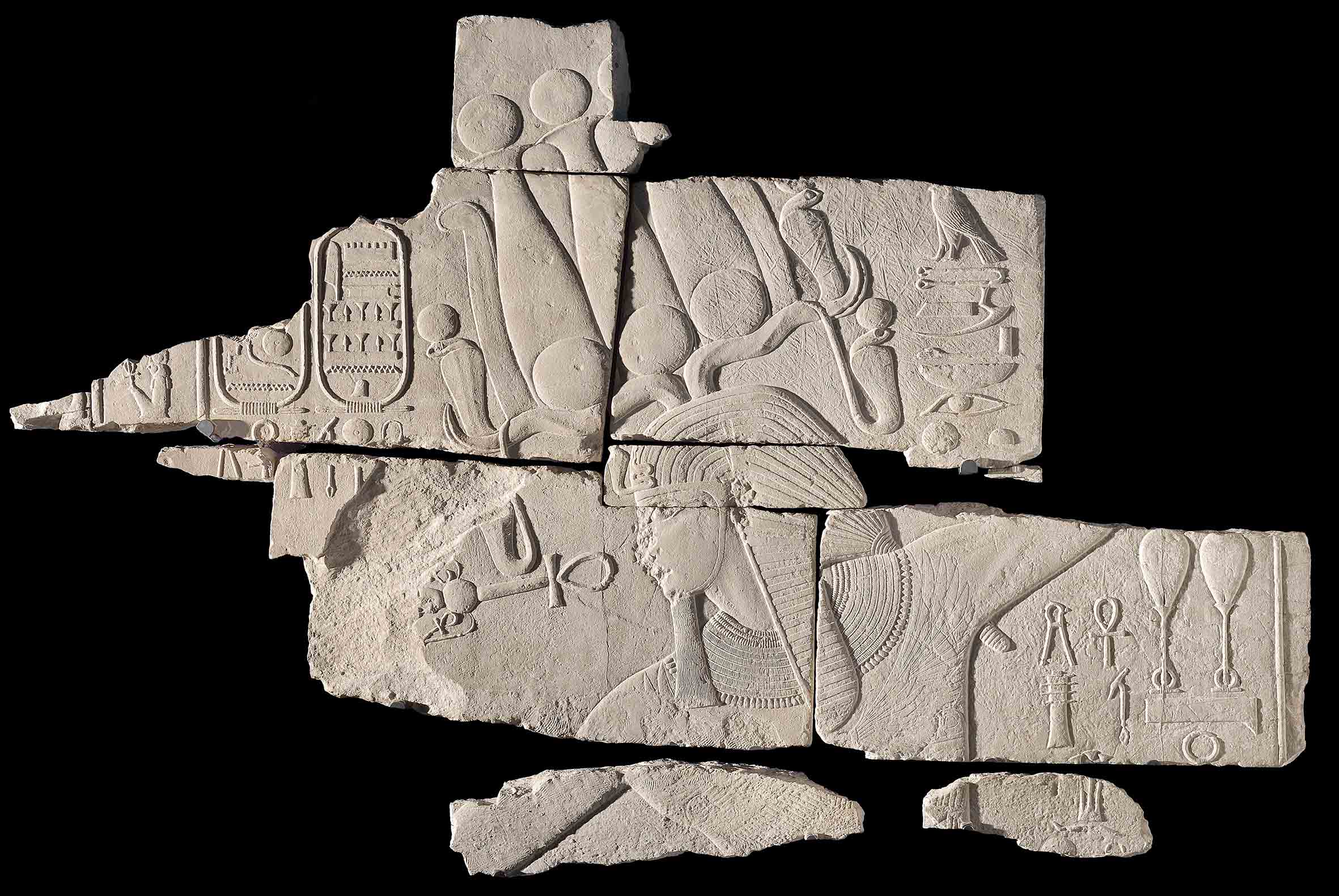
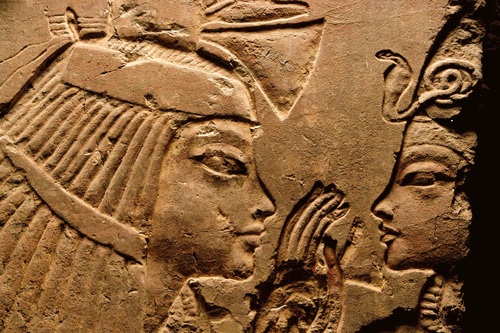
The South African born archaeologist and painter Winifred Brunton (1880-1959) is well-known to Egyptophiles for her series of watercolour miniatures of the kings, queens and elites of Pharaonic Egypt. Reassessment of her some of her personal correspondence held at the Griffith Institute, Oxford, has revealed Brunton’s attitude to her own work and its worth. This lecture uses this material to discuss her (re)imaginings of ancient Egyptian faces as a forerunner to more modern reconstruction techniques.

Dr Campbell Price is Curator of Egypt and Sudan at the Manchester Museum, part of the University of Manchester and European Museum of the Year 2025. He is an Honorary Research Fellow at the University of Liverpool and was Chair of the EES Board of Trustees from 2021 to 2025. He is the author of several books, including Brief Histories: Ancient Egypt and (with Stephanie Boonstra) Ancient Egypt in 50 Discoveries. His current research focuses on interpretations of the ancient Egyptian face.

Women in Roman Egypt

We have two MAES meetings in December! The first is next Monday. As ever, everyone welcome! Free to MAES members, guests welcome via Eventbrite here:

Doors open 7:30pm GMT and the lecture runs 8-9pm.

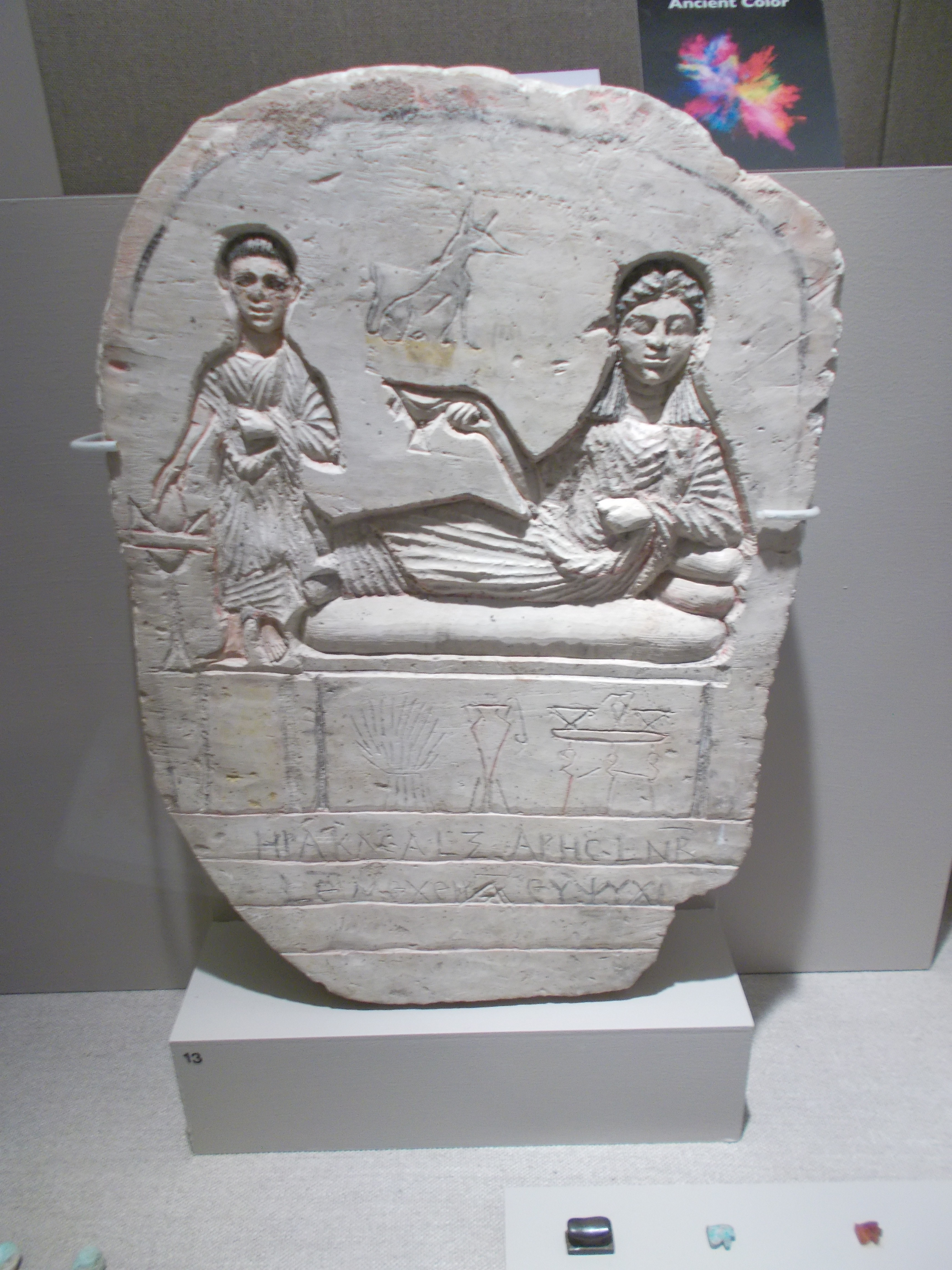
Terenouthis was a town in the Western Delta that gained prosperity in the Roman period due to its economic role as a major exporter of natron. A new local elite emerged after the conquest, seeking to participate in Graeco-Roman culture whilst also maintaining their ancient religious traditions, centred on the worship of the goddess Hathor. The site is a fascinating case study for cultural change and continuity in the Roman world, and how the Roman conquest impacted ordinary people in the provinces. This lecture will look at the funerary images and epitaphs of women in Roman Terenouthis, and examine how these objects drew from Graeco-Roman artistic conventions whilst also facilitating the women’s identification with Hathor and their resurrection in the kingdom of Osiris.

TOUR EGYPT IN 1911/121

This Monday, enjoy a luxurious armchair cruise down the Nile with Hilary Wilson! All welcome – free for MAES members – guests £5 via Eventbrite here:

10 November: Hilary Wilson     

Egypt and How to See It 1911-1912

The pocket guide Egypt and How to See It 1911-1912 was written by the British artist Augustus Osborne Lamplough for the Egyptian State Railways. Unlike modern tourist guides, it has no photographic illustrations. Instead, Lamplough used his own somewhat impressionistic watercolours mostly of Nile views, and his few paintings of ancient remains give little information of interest to the Egyptologist. However, his descriptions of sites are, in themselves, historical records of the appearance and condition of Egyptian monuments in the years leading up to WW1. Remarking on their significance and purpose, speculating on their age and their builders’ motives, he provides a view of the state of Egyptology, and his commentary is indicative of contemporary Western attitudes towards the Egyptian people, both ancient and modern. Tourists escaping the European winter may not have been aware that some very well-known Egyptologists were working on some important sites in the 1911-12 season. This talk takes a snapshot view of Egypt as Lamplough’s readers would have experienced it and explores the exciting Egyptological developments and discoveries of the time.

A former Maths teacher, Open University Associate Lecturer and tutor of Adult Continuing Education classes, Hilary Wilson gained her MA in Egyptology from the University of Manchester in 2022. She has written several books on Egyptian topics, and has contributed articles to every issue of Ancient Egypt Magazine for more than twenty years. Currently she is working on developing the subject of this talk into a book, for the popular rather than the academic market.

FABULOUS FABRICS!

Tonight we have a wonderful Manchester Ancient Egypt Society lecture by Nancy Arthur Hoskins who has recreated the materials worn by gods and kings in New Kingdom tomb scenes!

 Everyone welcome – doors open 7:30pm GMT+1 and the lecture runs 8-9pm.

Free to MAES members. Guests £5 via Eventbrite        

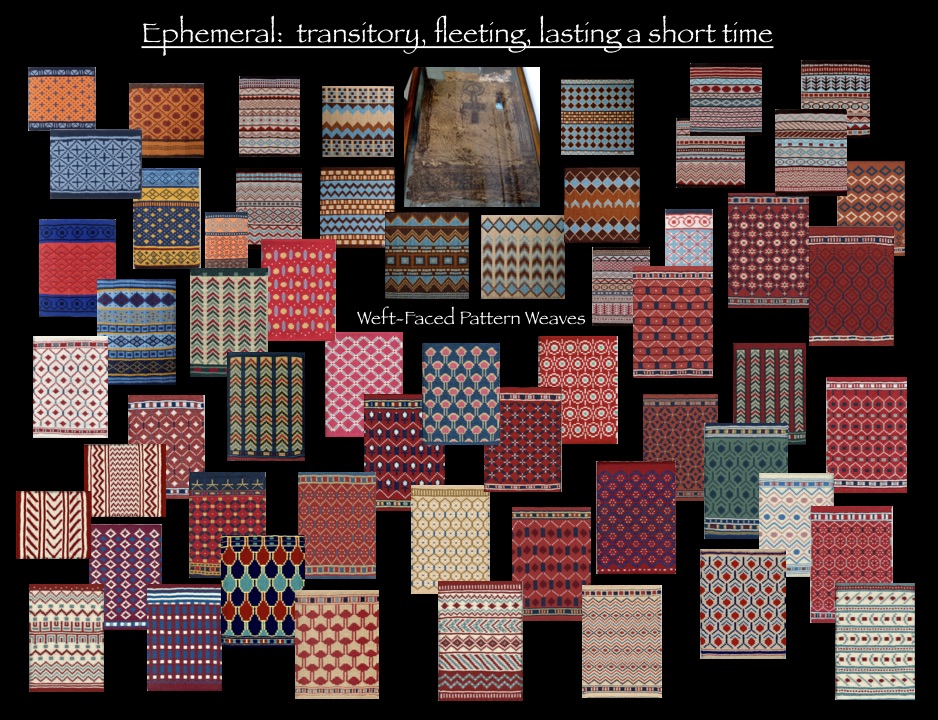
Minoan maidens and men, and pharaohs, gods, and goddesses wear costumes of extraordinary patterned fabrics in Aegean frescoes and Egyptian tomb paintings. These elegant, but ephemeral textiles survive only in Late Bronze Age artworks. Were they imaginary? If not, what materials and methods were used to form the colour-rich cloth? The handsome bands on the Tunic of Tutankhamun and a belt fragment from his tomb are crucial clues to the method of weaving the patterned fabrics on the ancient costumes in the frescoes and tomb paintings.

Nancy Arthur Hoskins, a former college weaving teacher, has researched Pharaonic, Coptic, and Early Islamic textile collections in over eighty museums and has presented lectures and workshops for national and international guilds, conferences, universities and museums. She is the author of three books, over a hundred articles, and has contributed chapters about Egyptian textiles to five other books. Hoskins’ art fabrics have been in solo, group, and invitational exhibits. She was the guest teacher on five Textile Tours of Egypt.

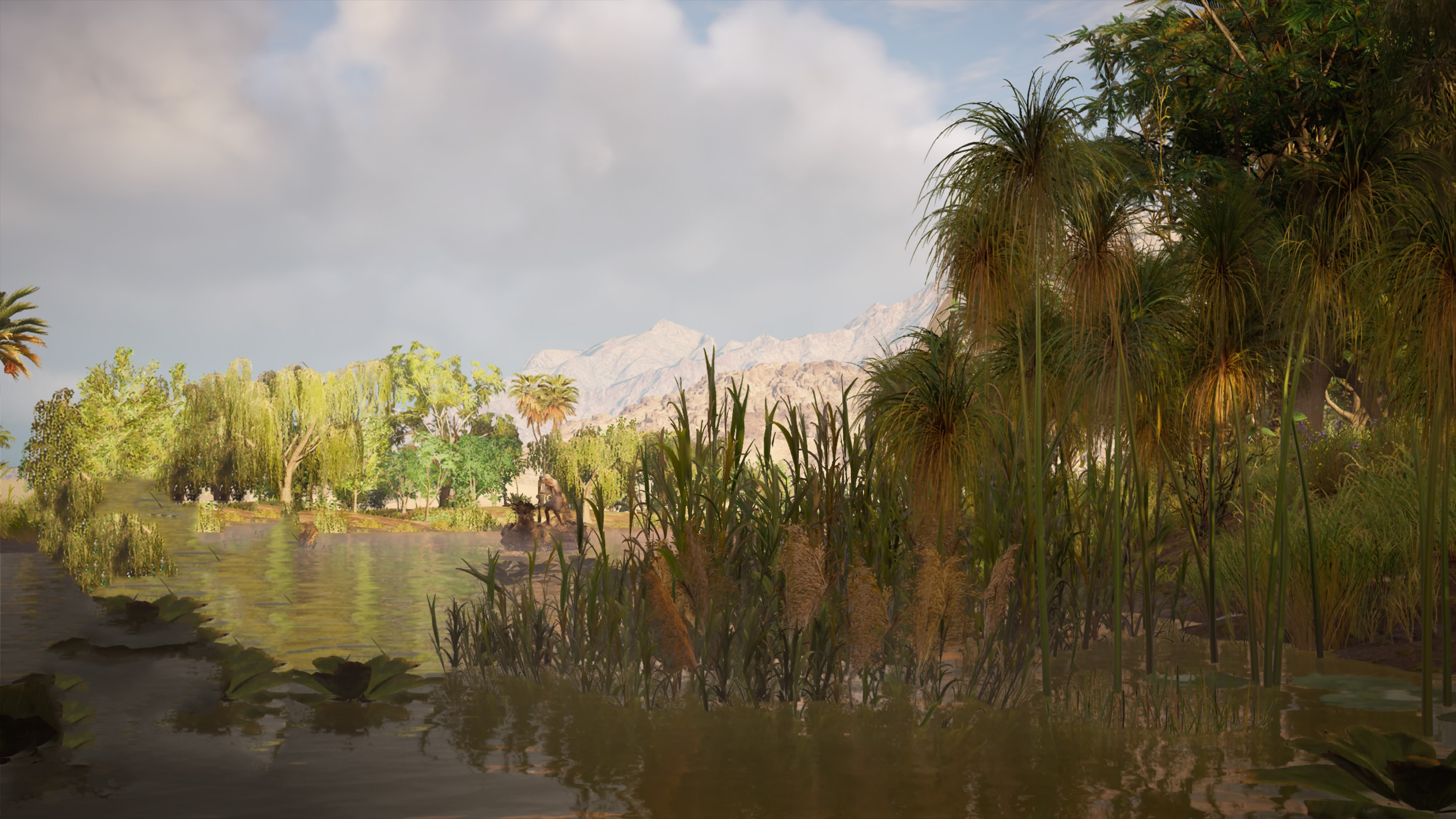
the natural world of ancient egypt

With Judith Bunbury, Piers Litherland, Colin Reader and Juliet Spedding.

For more details and how to book click here:

The Role of Wet Nurses

Free to MAES members (via email link); guests may book through Eventbrite here:

The Role of Wet Nurses in the Ancient Egyptian New Kingdom

Representations of and references to wet nurses appear often on the monuments and in the writings of the families they served and the children they nursed. Yet, little is known about the specific women depicted or their own experiences. Modern attempts to reconstruct their lives and roles often rely on comparisons with the Victorian and modern experiences of wet nurses and nannies. Nevertheless, when brought together, the evidence from this period reveals a unique and important role for these women, one that often places them in a role as kin and paid worker simultaneously. In this lecture, Cannon Fairbairn will present several depictions of wet nurses from the New Kingdom from differing contexts in order to explore what might be learned about these women and the roles they played in ancient Egyptian households and society.

Cannon Fairbairn recently completed her PhD at the University of Birmingham. Her research examined images of goddess’s nursing the ancient Egyptian king from the New Kingdom. She graduated with her Masters from the University of Memphis (USA). She has continued her research looking at images of nursing outside the royal sphere, focusing specifically on wet nurses.

Royal and not so royal tombs at Abydos

Recent excavations in the tomb complex of queen Meret-Neith of the 1st Dynasty with E. Christiana Köhler

For last 130 years, since the somewhat accidental discovery of the royal tombs of the 1st and 2nd Dynasties by the French Coptologist E. Amélineau, the site of Abydos Umm el-Qaab has fascinated scholars for its enormous value regarding early Egyptian history and material culture. Numerous British, French and German archaeologsist have excavated here, and each time discovered significant new details about this site. The tomb of queen Meret-Neith, however, has been very much neglected for a long time, which has probably many reasons. Its recent re-excavation, however, has produced an enormous amount of exciting new evidence about this queen, the dynasty and the early state she represented, as well as the people buried in the subsidiary graves around her. This lecture will give a brief overview of our current research.

Professor Köhler is Head of the Department of Egyptology at the University of Vienna with research interests in Egyptian archaeology, Pre-and Early Dynastic Egypt and ancient Egyptian society and social structures. She has published many papers covering her excavations at the Helwan necropolis in ancient Memphis, and is also involved in projects at Umm el-Qaab at Abydos and the University of Vienna Middle Egypt Project.

Everyone welcome! Free email link to MAES members; guests may book via Eventbrite here:

Rethinking Predynastic Egyptian IDENTITY

Monday 9th June 7:45pm (GMT+1)

This Monday we are going way way back in time for our monthly lecture!

Michelle Scott

Rethinking Predynastic Egyptian identity and embodiment through broken figurines and fragments.

Anthropomorphic figurines have long been seen to constitute an extraordinary class of material culture. They are iconic in their presentation and representation of the human form in miniature. Within museum displays, these figurines play an active role in producing and communicating ideas about the past. The conception of the Neolithic body recognises fragmentation as a regular and deliberate treatment of the dead. Yet museums typically prioritise completeness: the whole over the fragment. The breaking of the body is often obscured by its remaking through curatorial decision-making and compounded by reconstructive conservation. Drawing on case studies from Naqada and el-Ma’mariya, as well as the so-called ‘Painted Ladies’, this talk invites a rethinking of what it means to be whole. Framed by questions of difference, disability and identity, it asks: whose story it is that museums are telling?

Dr Michelle Scott is an archaeologist, researcher, and museum professional specialising in Predynastic Egypt and the politics of museum storytelling. They recently completed their PhD at the University of Manchester, which traced anthropomorphic figurines as sites of narrative, identity, and embodiment from antiquity to the present. Michelle brings an imaginative and socially engaged approach to museum practice, with a particular focus on identity, inclusion, and ethics of care. At Manchester Museum, they have led award-winning public engagement initiatives, co-curated exhibitions, and developed digital content that reimagines how the past is presented and performed.

All welcome! MAES members free (emailed link). Guests can book via Eventbrite here:

(Please note the slightly later start time.)

A Stitch in Time Venue Study Day

Saturday 14th June 9:45am – 4:15pm (GMT+1)

Radisson Blu Hotel, Manchester Airport, Chicago Avenue, Manchester M90 3RA

A special in-person study day exploring the latest textiles research with lectures by Rosalie David OBE, Hilary Forrest, Angela Thomas, Jacky Finch, Joanne Robinson, Keith White and Bart van Dongen

In memory of MAES member Jill McKeown

MAES members £35 including refreshments & lunch; Guests welcome: £40 (plus Eventbrite fees) from Eventbrite here:

This study day is being subsidised thanks to a kind bequest from Chris and Rachel Naunton, on behalf of their aunt Jill, and by the Manchester Ancient Egypt Society.

Late Middle Kingdom Royal Faces

This month, Dr Campbell Price brings us face-to-face with some amazing Middle Kingdom portraits!

Free to MAES members; guests welcome via Eventbrite here:

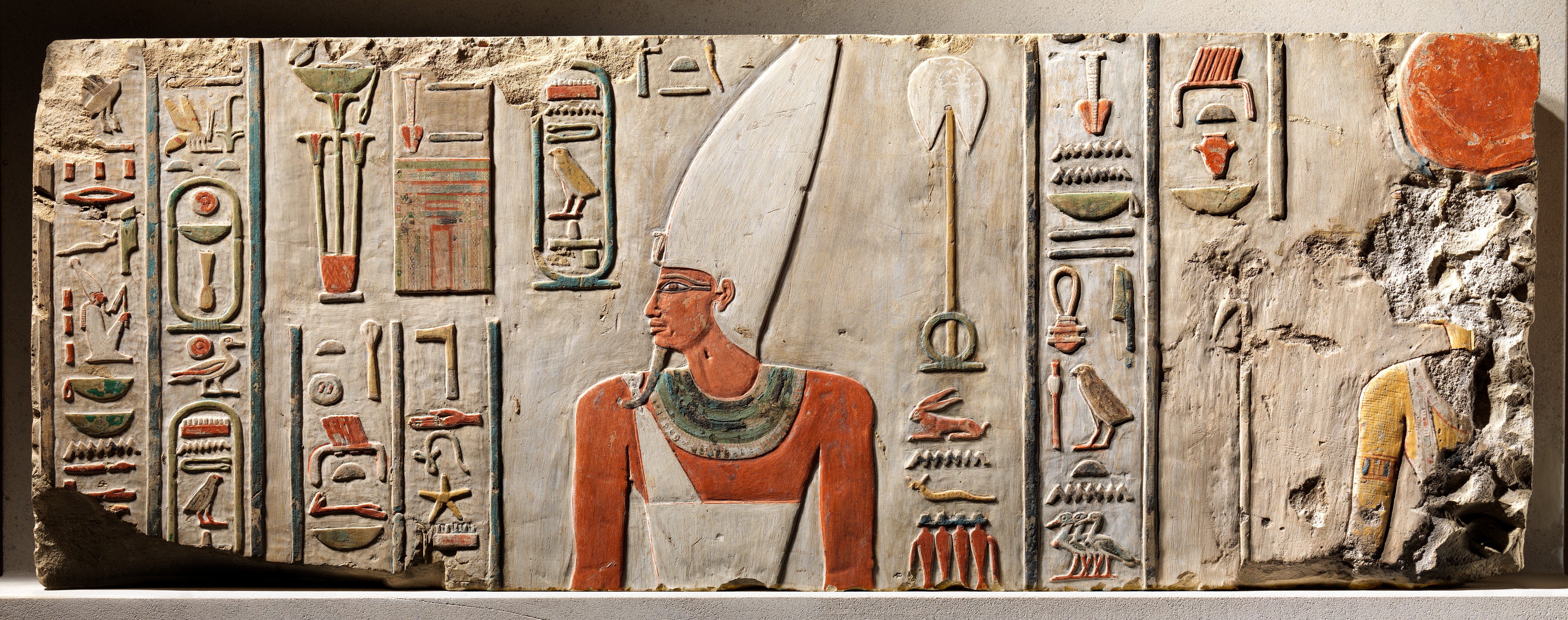
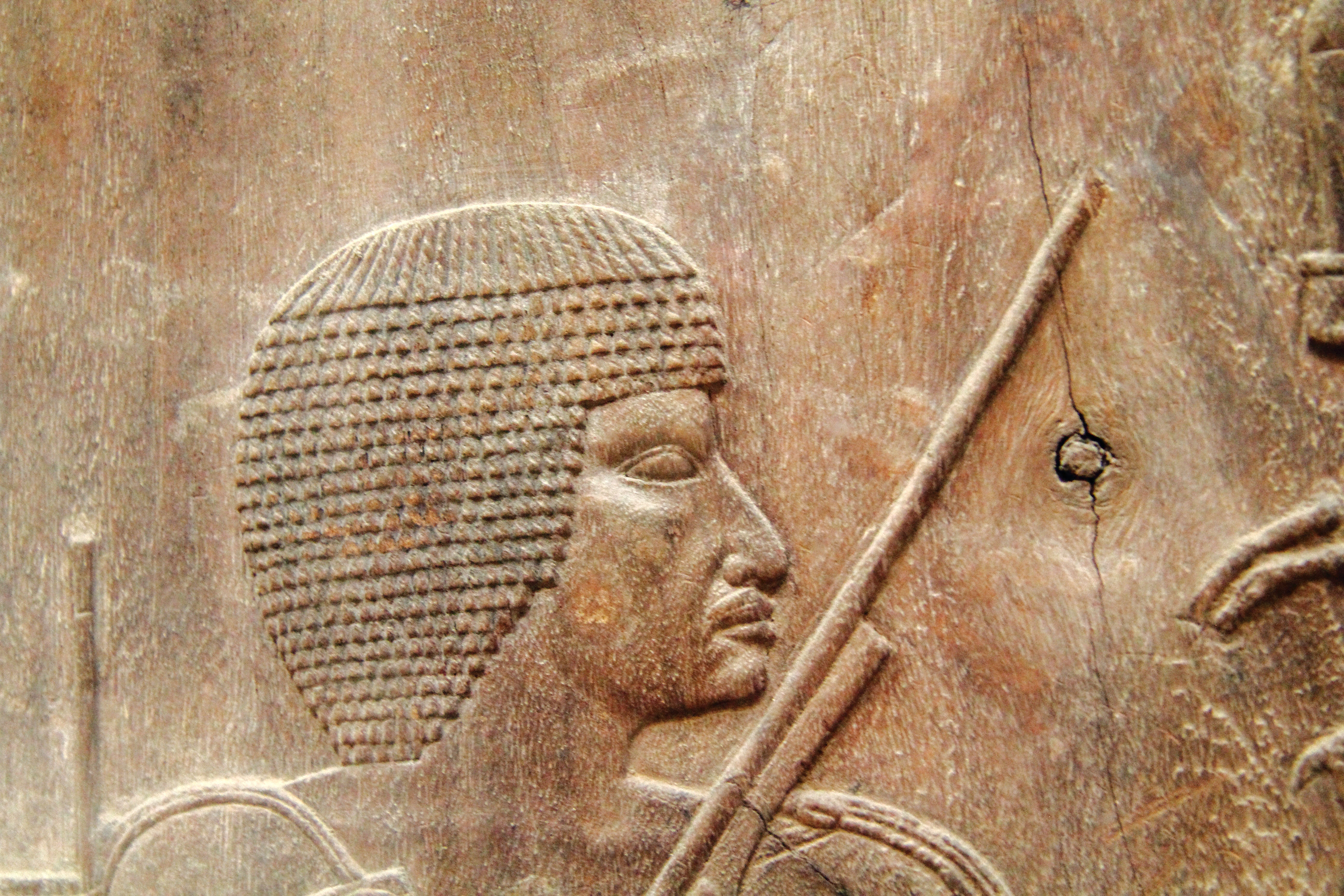
Among the most distinctive departures from what we think of as the ‘norms’ of Egyptian art are the striking faces of late 12th Dynasty royal sculptures. Variously characterised as reflecting internal psychology, political propaganda or accurate physiognomy, the faces still arrest our attention. Likely taking inspiration from much earlier sculptures, these faces went on to inspire sculptured visages some 1500 years later. This lecture reviews how Egyptologists have viewed the faces and what their questions can tell us about modern approaches to Pharaonic art.