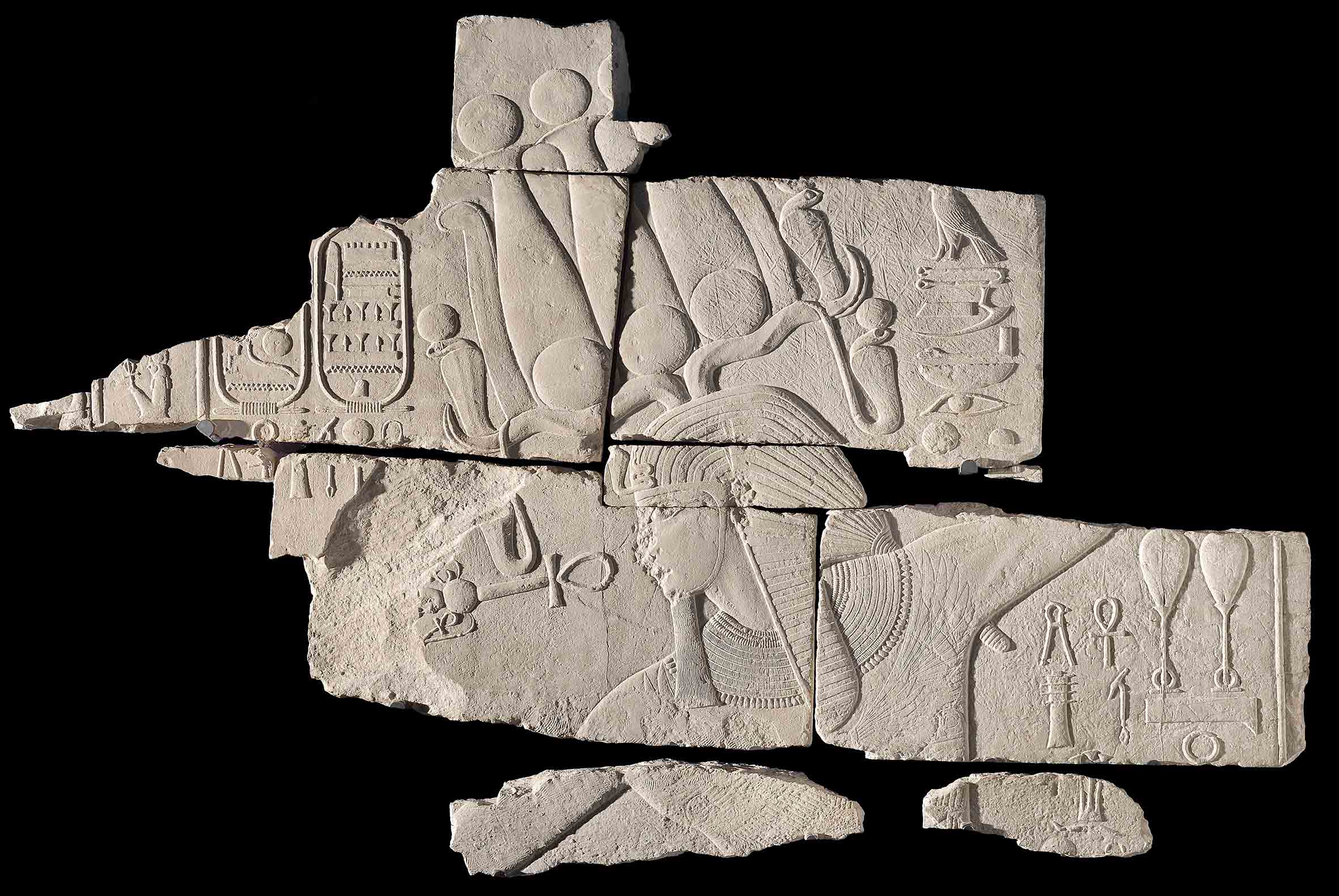
This coming Monday, the Manchester AE Society presents an extra lecture – open to MAES members (free by email link) and guests (£5 – book on Eventbrite here:). All welcome. Please note on Monday we will out of British Summer Time so all timings are GMT. Doors open 7:45pm and the lecture begins at 8pm!
26th October: Matthieu Vanpeene
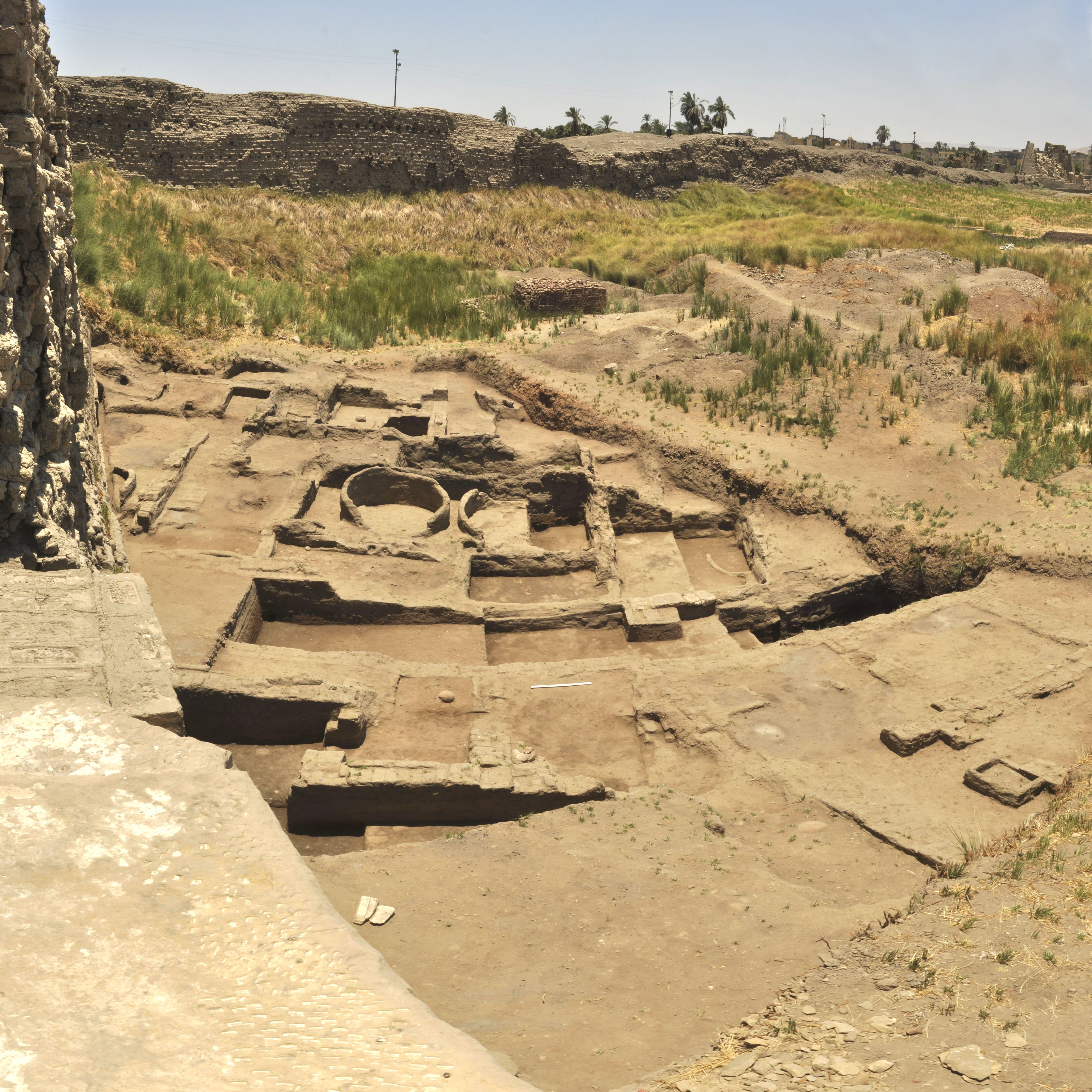
Opened in 2021 as part of the “Karnak des origines” and the “Karnak à l’est de Karnak” research programme (MEAE/CFEETK), the excavations undertaken by the Centre Franco Égyptien d’Étude des Temples de Karnak (CFEETK, MoTA/CNRS) at the south-eastern corner of the Amun-Re temple enclosure were initially intended to establish a reliable chronology for the development of Thebes in the third millennium BC.
The excavations, which follow on from the work carried out in the Legrain, Lortet and Franchet sector at the beginning of the twentieth century, led to the rediscovery of a relatively dense settlement which, at its height, lay outside the temple walls. Centred around a street, the remains -remarkably well preserved for this period – provide glimpses of large buildings devoted to storage and food processing, forming part of a larger neighbourhood that remains to be investigated. Drawing on this material, the presentation will offer an insight into daily life in the capital of Egypt during the Middle Kingdom.
A specialist in construction in ancient Egypt, Matthieu Vanpeene is an architect who graduated from the École Nationale Supérieure d’Architecture de Paris-Belleville (ENSAPB) and completed an Egyptology PhD at the École Pratique des Hautes Études (EPHE, PSL) in 2021. Since 2010, he has been studying various sites in Egypt, from the Alexandrian coast to Aswan. After six years as Head of the Architecture and Archaeology Department at the Centre Franco Égyptien d’Étude des Temples de Karnak (CNRS, UAR 3172), he joined the HiSoMA research team (CNRS, UMR 5189) and now leads the mission of the Institut Francais d’Archeologie Orientale (Ifao) at Dendera, middle Egypt.